Relational Conflict & Boundaries
Relational Conflict
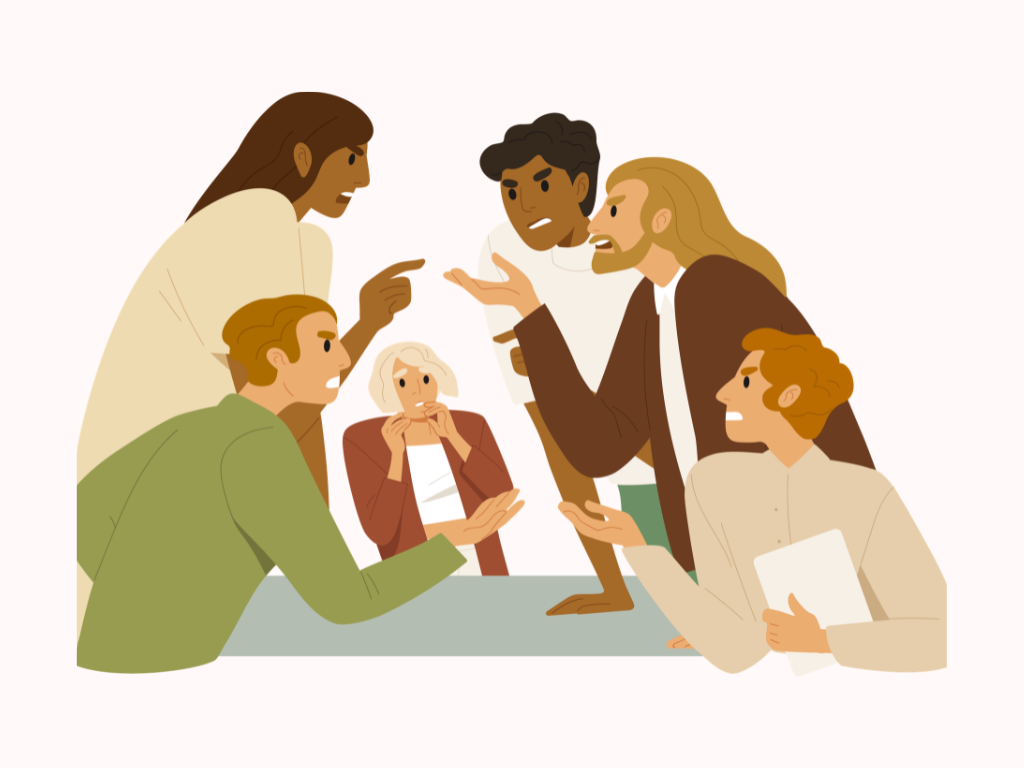
Humans are wired for connection. Relationships can be deeply meaningful yet challenging. When conflict becomes repetitive, communication breaks down, or you find yourself caught in the same painful patterns, it can be difficult to know how to move forward.
I work with individuals and couples navigating relational conflict, including recurring disagreements, communication difficulties, trust and boundary concerns, emotional disconnection, and unresolved hurt.
In therapy, we can explore the patterns that develop between people, understand what may be underneath the conflict, and create new ways of relating that feel manageable and authentic.
Boundaries
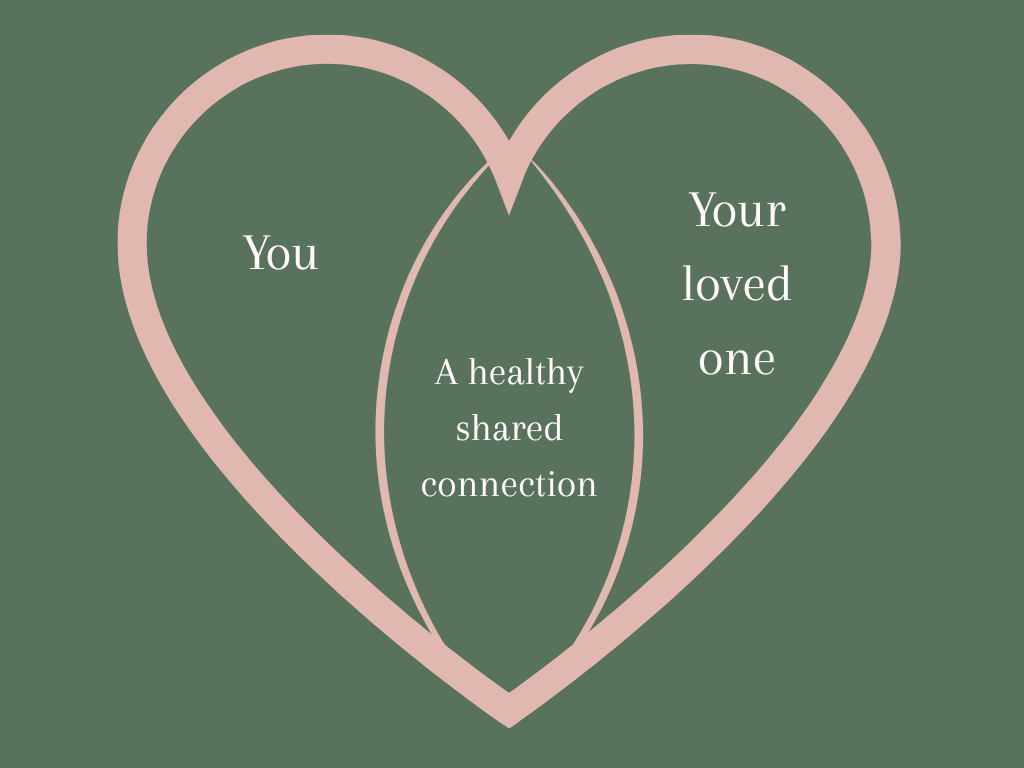
Setting boundaries can help create healthier, more fulfilling relationships, but expressing your needs can be difficult when you fear disappointing others, creating conflict, or being perceived as selfish.
Our understanding of boundaries is shaped by culture, family values, community, and lived experience. Through therapy, we can explore these influences with curiosity and your cultural context in mind while finding ways to communicate your needs with greater clarity and confidence. Some possible therapeutic goals include working on saying no, identifying your limits, managing guilt, and balancing care for others with care for yourself while honoring the relationships and cultural values that matter to you.
Individual Therapy or Couples Therapy?

OR

Relational conflict can be addressed in both individual and couples therapy, but the focus and process are different.
Individual therapy provides space to explore your own experiences within relationships. We might look at recurring relational patterns, emotional responses, boundaries, attachment, communication habits, or the ways past experiences shape how you respond to conflict. Individual therapy can be especially helpful when you want to better understand your role in relationship dynamics, develop new ways of responding, or navigate a difficult relationship when the other person is not participating in therapy.
Couples therapy brings both partners into the room to work directly with the relationship itself. Rather than focusing primarily on one person's experience, therapy looks at the patterns that develop between you (i.e., how conflict begins, how each person responds, and how those responses can reinforce one another). We can collaboratively toward greater understanding, more effective communication, repair after conflict, and a stronger sense of connection.
Sometimes individual therapy is the best place to begin; sometimes couples therapy is more appropriate. The right approach depends on your goals, the nature of the conflict, and what would feel most supportive and productive.
Common Relational Conflicts I Work With:
Adult child and parent
Romantic partners
Friendships
Work relationships (i.e., managers and colleagues)
Siblings